Garden landscaping in Notting Hill
When people look for Garden landscaping in Notting Hill, they are usually looking for more than a tidy border or a quick lawn cut. In a neighbourhood known for elegant terraces, period conversions, mews houses, and stylish apartment living, outdoor space needs to feel considered, practical, and easy to enjoy. A well-planned garden can make a small courtyard feel generous, bring structure to a private rear garden, or turn a shared exterior into a calm and attractive extension of the property.
Local customers often want a service that understands the realities of Notting Hill: limited access, narrow side passages, communal entrances, parking restrictions, and gardens that need thoughtful design rather than heavy-handed changes. Whether you are a homeowner, a landlord preparing a rental property, or a business owner looking after a front courtyard or customer-facing outdoor area, the right landscaping approach can improve how the space looks, feels, and works day to day.
Our approach to landscaping in this part of west London is practical and tailored. We focus on creating outdoor spaces that suit the architecture, the amount of sunlight available, the level of maintenance you want to commit to, and the way you actually use the garden. From the first conversation through to installation and finishing touches, the aim is simple: create a space that feels right for your property and the local setting.
Why garden landscaping matters in Notting Hill

In Notting Hill, outdoor space is often at a premium, which means every square metre needs to work hard. A thoughtful garden design can transform a narrow plot into a relaxing seating area, add privacy where neighbouring windows overlook the space, and create better flow between doors, patios, paths, and planting beds. For many properties, the difference between an underused outdoor area and a welcoming garden comes down to layout, materials, and planting choices.
Garden landscaping in Notting Hill also needs to respect the character of the area. Many homes sit within conservation-minded streetscapes or visually sensitive surroundings, so the best results tend to be those that feel refined rather than overly elaborate. Clean lines, durable hard landscaping, and planting that looks good through the seasons often suit local properties better than a cluttered approach.
It is also worth considering how much maintenance you want. Some residents want a garden that changes through the year but stays relatively low-effort; others are happy to invest more time in planting and ongoing care. A good landscape plan balances beauty with practicality so that the space remains attractive without becoming a burden.
What our Notting Hill landscaping service can include
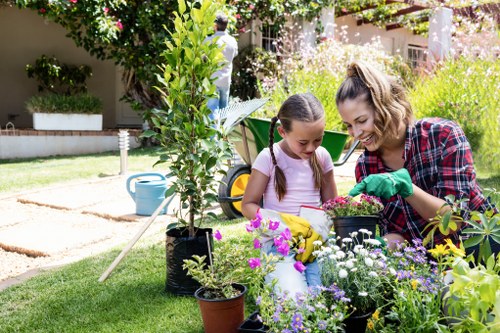
Every property is different, so the scope of work can vary significantly. Some customers only need a redesign of a tired front garden, while others want a full outdoor makeover that includes new surfaces, planting, lighting, fencing, and better drainage. The advantage of using a local team is that the service can be shaped around the exact condition and purpose of the site.
Typical landscaping services may include:
- Garden design and planning for new layouts, clearer zoning, or improved usability
- Hard landscaping such as patios, paving, pathways, edging, retaining features, and seating areas
- Soft landscaping including planting schemes, lawn creation, shrubs, climbers, and seasonal colour
- Fencing and boundary improvements to add privacy, definition, and security
- Decking or raised planters where space needs structure or level changes need managing
- Garden lighting for atmosphere, safety, and evening use
- Drainage improvements where standing water or poor runoff is a problem
- Ongoing maintenance support for clients who want their garden to stay neat after completion
For many local customers, the most valuable part of the service is not just the installation itself, but the advice that comes before it. Small gardens, awkward corners, or shaded courtyards can often be improved more through smart planning than through major building work. A well-designed scheme can make a space feel larger, brighter, and easier to use.
Working with the character of local properties
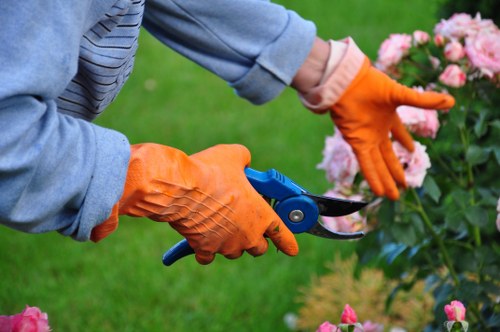
Notting Hill has a mix of property types, and that variety shapes the landscaping approach. A period townhouse may call for elegant symmetry, classic materials, and planting that complements the architecture. A mews property may need clever storage, discreet screening, and a neat arrangement of surfaces and borders. Apartment courtyards and shared residential spaces often need durable features that stay attractive even with regular footfall.
In local streets, first impressions matter. The front garden or entrance area often sets the tone for the whole property, especially for homes with short front paths, basement access, or visible railings and steps. A professionally planned scheme can improve curb appeal without overwhelming the building’s style. This can be particularly useful for landlords, property managers, and anyone preparing a home for sale or letting.
Commercial customers also benefit from a tailored approach. Cafés, small offices, hospitality spaces, studios, and boutiques may want external planting and hard landscaping that looks welcoming while remaining manageable. In a busy area like Notting Hill, outdoor space can contribute to the customer experience just as much as interior design does.
How a garden landscaping project usually works
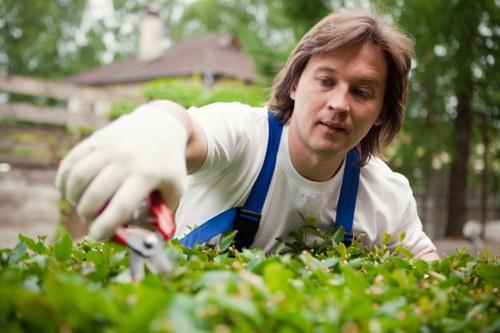
A good landscaping project should feel organised from the outset. While every job is different, most follow a clear process that helps keep decisions straightforward and ensures the finished result suits the property. The exact steps depend on the size of the space and the level of work needed, but the overall approach is usually practical and collaborative.
Common project stages include:
- Initial discussion to understand the space, your priorities, and how you want to use the garden
- Site assessment to look at access, levels, sun and shade, drainage, existing features, and any constraints
- Concept planning to shape the layout, materials, and planting approach
- Specification of works so you know what is included and what the finished scope should cover
- Preparation and installation including clearance, groundworks, surfacing, planting, and final detailing
- Aftercare advice to help you look after the new garden properly once the work is complete
Clear communication is especially important in Notting Hill, where access can be tight and neighbours are often close by. Good planning reduces disruption and helps the work run smoothly, whether the project is carried out in a private garden, a communal courtyard, or a commercial forecourt.
Design choices that work well locally
Successful landscaping in Notting Hill often starts with restraint. Because many local gardens are not huge, the best solutions tend to focus on proportion, texture, and practical use rather than trying to fill every corner. A space with too many competing materials or plant varieties can quickly feel busy. By contrast, a simpler scheme can look polished and easier to maintain.
Some design choices that often suit local properties include clean paving layouts, subtly raised beds, evergreen structure, and a limited but well-chosen planting palette. These features can give a garden year-round presence while still leaving room for seasonal interest. In shaded spaces, the planting mix may need to lean toward plants that cope well with lower light levels. In sunnier west-facing gardens, more flowering shrubs and drought-tolerant selections may be appropriate.
Where privacy is a concern, screening can be introduced through planting, trellis, or carefully positioned boundary features. The aim is usually to create a sense of enclosure without making the garden feel boxed in. In many cases, a combination of layered planting and slim, vertical elements works better than solid walls alone.
Hard landscaping and soft landscaping should work together
One of the most common mistakes in smaller urban gardens is treating hard landscaping and planting as separate decisions. In reality, they need to be planned together. The width of a path affects how planting beds can be arranged. The tone of the paving affects how bright or calm the garden feels. The height of a retaining edge can change both usability and visual balance.
Good landscaping is not just about looking attractive on day one; it is about creating a garden that continues to function well over time. That means selecting materials that are suitable for foot traffic and weather exposure, and planting that has enough space to grow without causing constant maintenance problems.
In practical terms, this may mean combining paving with soft borders, choosing robust edge details, or creating a planting plan that offers structure in winter as well as interest in summer. A mixed approach often gives the best long-term result.
Access, parking, and working in busy streets

One of the reasons customers choose a local team for Garden landscaping in Notting Hill is the understanding that comes with working in an area that can be difficult to access. Parking restrictions, narrow roads, loading considerations, and limited front access all affect how materials and equipment are brought into a property. A team familiar with the local environment can plan more effectively and reduce avoidable disruption.
These details matter more than many people realise. If your garden is behind a terrace, accessed through a side passage, or reached via communal areas, the workflow may need to be adjusted so that tools and materials can be moved safely and efficiently. A local landscaper is more likely to anticipate these challenges and plan the work accordingly.
This is particularly helpful for larger jobs involving soil removal, new paving, timber structures, or bulk planting. A well-organised project can help protect shared hallways, keep entrances clear where possible, and minimise inconvenience to neighbours or nearby businesses.
What customers often want to improve
People get in touch about landscaping for all sorts of reasons, but the most common ones tend to be practical. Some gardens are simply underused because they feel too exposed, too shaded, or too awkwardly laid out. Others have become cluttered or tired over the years and no longer suit the property. Many customers want a space that is easier to keep tidy while still looking attractive.
Common goals include:
- Making a small garden feel more spacious
- Creating a sociable area for seating or dining
- Improving privacy from neighbouring properties
- Refreshing tired paving, borders, or fences
- Adding planting that looks good across the seasons
- Reducing maintenance demands
- Improving drainage or dealing with water pooling
- Bringing a front garden or entrance area up to a better standard
In some cases, the brief is almost the opposite: customers want a garden that feels greener, softer, and more natural. Even then, structure still matters. Without a clear layout, planting can look scattered and the garden can feel smaller than it is.
Residential and commercial customers
Residential clients often want a private retreat that feels calm after a busy day. In Notting Hill, where many people live in homes with limited outdoor area, a well-designed garden can become an important part of daily life. It may be used for morning coffee, family time, entertaining, or simply enjoying a bit of green space in the city.
Commercial customers, on the other hand, often need landscaping that creates a welcoming atmosphere while standing up to regular use. That could mean a neat frontage, planted containers, smart boundary treatment, or a courtyard that feels polished and low-maintenance. The right planting and surface choices can improve the impression your premises make without adding unnecessary upkeep.
Preparation checklist before landscaping begins
Preparing properly can help the project run more smoothly and reduce delays. Even if the landscaping team handles the technical work, there are still a few useful things customers can think about before the job starts. Clear planning at the beginning can save time later and help ensure the finished result is closer to what you wanted.
Useful preparation steps may include:
- Decide how you want to use the space: relaxing, entertaining, growing plants, or all three
- Think about the level of maintenance you are comfortable with
- Note any drainage problems, shaded areas, or privacy concerns
- Remove personal items from the garden where possible
- Check access routes for gates, side passages, and communal areas
- Discuss any restrictions linked to the property or neighbours
- Be clear about features you want to keep, such as mature planting or existing trees
Tip: It can also help to gather a few photographs of outdoor spaces you like, not because you need a fixed design style, but because it makes it easier to explain the kind of atmosphere you want. A landscaper can then translate those preferences into a plan that suits your actual garden.
Pricing factors to consider
Customers often ask what affects the cost of landscaping. While exact figures depend on the project, the main pricing factors are usually straightforward. The size of the garden matters, of course, but so do access, preparation work, chosen materials, planting complexity, and whether old features need removing before new work can begin.
Factors that commonly influence the cost include:
- Garden size and layout complexity
- Condition of the existing space
- Amount of clearance or demolition needed
- Type and quality of paving, timber, fencing, or other materials
- Plant selection and planting density
- Drainage or levelling requirements
- Access constraints and how easy it is to bring materials in and out
- Whether the project includes lighting, irrigation, or built features
For that reason, it is usually best to request a tailored quote rather than assume a standard price. A local team can look at the site, understand the practical constraints, and give a more realistic picture of what is involved. Request a free quote if you want to explore options for your property and compare different approaches.
Why choose a local company for garden landscaping in Notting Hill
Choosing a local company is not just about geography; it is about familiarity with the area’s properties, rhythms, and constraints. In Notting Hill, outdoor spaces range from compact courtyards to elegant rear gardens and mixed-use premises, so a one-size-fits-all solution rarely works well. A local team is better placed to understand what suits the surrounding architecture and how to manage the practical realities of working in central west London.
A local landscaping company can also respond more efficiently when site conditions need to be checked or when the project requires careful staging. This matters in places where access is tight or where work needs to be timed around residents, tenants, or business hours. The smoother the process, the easier it is to achieve a good result with less stress.
Another benefit is local judgement. A team that regularly works around Notting Hill, Holland Park, Bayswater, Kensington, and nearby west London areas is more likely to understand the style expectations and space limitations common to the neighbourhood. That local insight helps shape better design decisions from the start.
What a good local landscaper should focus on
A trustworthy service should concentrate on practical planning, honest advice, and a neat finish. You should feel that the layout has been considered, the materials are suitable, and the planting choices make sense for your light levels and maintenance expectations. The best results usually come from clear priorities rather than unnecessary complexity.
Look for a team that talks openly about access, timing, and what will happen on site. In a built-up area, those details can matter just as much as the visible design features. A well-managed project should feel organised from start to finish.
How we help customers decide
Many people know they want a better garden but are not sure how to get there. That is normal. You may know that the space feels too dark, too exposed, or too difficult to use, but not yet know whether the answer is planting, paving, screening, or a complete redesign. The role of a local landscaping service is to turn those broad goals into a workable plan.
Practical advice early on often saves money and avoids wasted effort later. For example, it may be better to improve drainage and access before investing in decorative features. Or it may make more sense to create structure first and plant later in stages. Thoughtful sequencing can make a big difference to the final outcome.
Frequently asked questions
How long does a landscaping project take?
The timeline depends on the size of the garden, the amount of preparation needed, and the features being installed. A simple refresh may be quicker, while a full redesign with hard landscaping and planting will naturally take longer. A local site visit helps set expectations more accurately.
Do you work with small gardens and courtyards?
Yes. Small spaces are very common in Notting Hill, and they often benefit most from good design. With the right layout, a compact garden can feel much more usable and attractive.
Can you help with awkward access?
Yes. Access is one of the most important practical considerations in this area. Side passages, shared entrances, basement gardens, and limited parking all need to be planned for from the outset.
What if I want a low-maintenance garden?
That can absolutely be planned for. Plant choice, surface materials, edging, and overall layout can all be adjusted to reduce upkeep while still creating a polished appearance.
Is landscaping suitable for rented properties?
Yes. Many landlords and letting agents want outdoor space to look presentable, robust, and easy to maintain. A well-designed garden can improve the appeal of a rental without creating unnecessary management issues.
Can the service be adapted for commercial premises?
Yes. Outdoor areas for shops, offices, cafés, and hospitality venues often need a balance of visual appeal and durability. The landscaping approach can be shaped around that need.
Areas covered around Notting Hill
Garden landscaping work in Notting Hill often extends into nearby west London locations where similar property types and access considerations apply. Depending on the project, local services may also cover surrounding areas such as Holland Park, Kensington, Bayswater, Westbourne Grove, and nearby residential streets with comparable garden styles and access patterns.
This local reach is useful because landscaping issues are often shared across neighbouring districts: compact outdoor areas, period property details, private mews developments, and gardens that need careful handling around existing architecture. A local team can bring that experience to each job.
Ready to improve your garden?
If your outdoor space is not working as well as it should, now is a good time to explore your options. Whether you need a full redesign, better planting, a smarter patio layout, or practical improvements that make the garden easier to use, a tailored landscaping service can help you move forward with confidence.
Contact us today to discuss your ideas, arrange a site visit, or request a free quote. If you already know the kind of result you want, we can help shape it into a realistic plan. If you are still deciding, we can talk through the most suitable possibilities for your property and budget.
Book your service now and take the first step toward a garden that suits your Notting Hill home or business far better than it does today.